Cement Products in Cessnock
Reliable Cement for Local Projects
Cement plays a major role in the stability of any build, which is why Cessnock customers rely on products that mix well and deliver strong, long-term results. DGW Wholesale Timber & Hardware supplies a dependable range of cement products to support builders and commercial crews working throughout Cessnock and surrounding areas.
With more than 20 years of industry experience behind our selection, we understand the types of mixes local jobs often require, including options for slabs, footpaths, repairs, and general construction. Each product is carefully selected for its consistency, workability, and durability, ensuring customers can trust the results once the concrete has set. Cessnock builders appreciate having easy access to materials that help prevent delays and support smooth progress on site. Our team focuses on providing clear advice and practical guidance, so choosing the right mix becomes a simple step in your planning.
Whether you are handling a small residential repair or a bigger commercial job in Cessnock, we make sourcing cement products straightforward and stress-free. For product recommendations or assistance choosing the right mix, call (02) 4003 8643.
Enquire Now in Cessnock
Thank you for contacting DGW Wholesale Timber & Hardware.
We will get back to you as soon as possible.
Oops, there was an error sending your message.
Please try again later.
Cement Made for Cessnock Builds
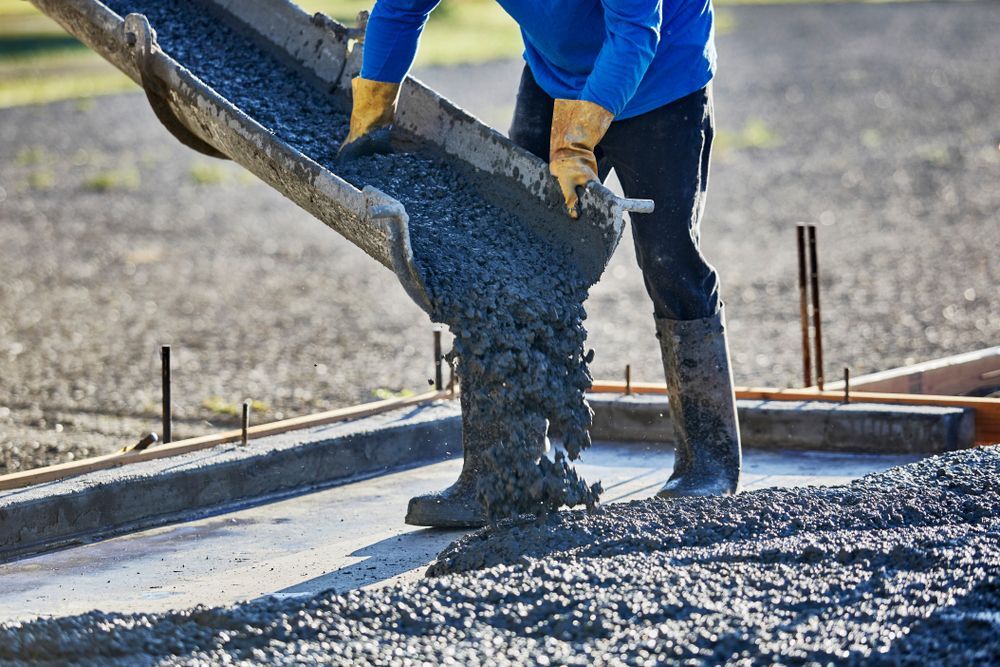
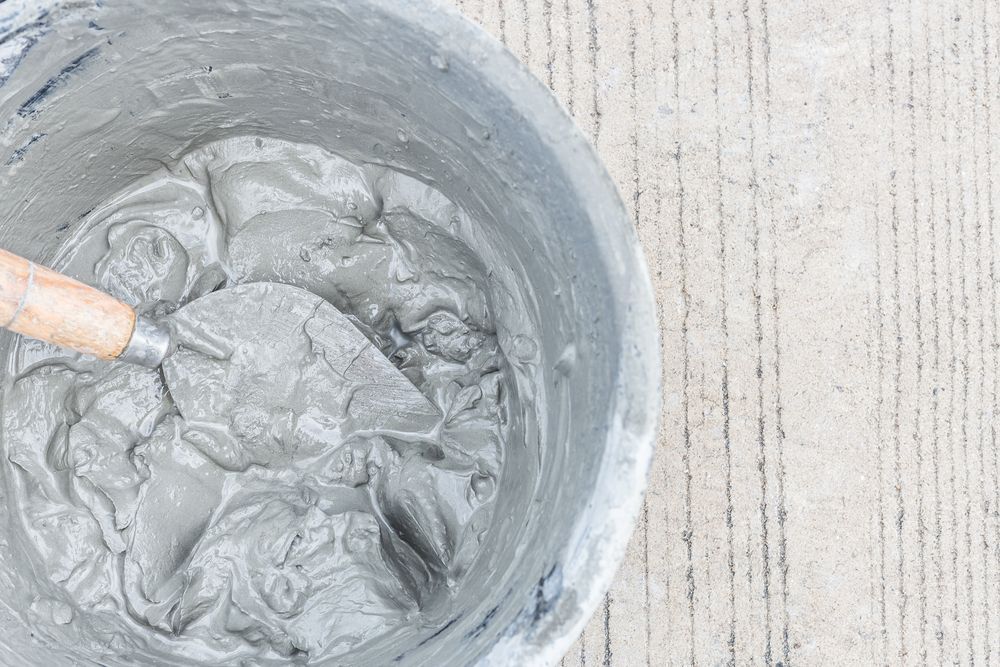
Building in Cessnock often involves dealing with changing weather conditions and a variety of project types, which is why choosing the right cement is crucial from the start. Our available mixes support both indoor and outdoor work, providing customers with flexibility for a range of applications, from concrete repairs to structural pours and foundation preparation. Builders often seek cement that is easy to work with, cures evenly and provides the stability necessary for long-term results.
We focus on providing options that meet these expectations, allowing local crews to complete their work without unnecessary setbacks. Clear information helps customers understand how different mixes perform and which ones are best suited to the job at hand. Our approach keeps the process simple, with reliable stock and an easy pickup experience, so you can obtain materials without slowing down your schedule.
Cessnock customers also value the consistency of the results they achieve when using high-quality mixes that withstand pressure. With dependable cement and helpful guidance, the rest of the project becomes easier to manage from start to finish.
Frequently Asked Questions
What type of cement mix works best for general construction?
A standard concrete mix is typically the best choice for general construction, as it offers a balanced combination of strength and workability. This type of mix is commonly used for pathways, minor slab repairs and small structural pours. When choosing a mix, it is important to consider the load the area will carry and whether the concrete will face moisture or regular foot traffic. For heavy-duty areas or larger concrete sections, a higher-strength mix or one with specific additives may be more suitable. Curing time and temperature also play a big role in the final result.
How long does concrete take to fully cure?
Concrete begins to set within the first few hours after being poured, but it takes significantly longer to reach full strength. Most mixes reach the majority of their strength in about seven days, while complete curing generally occurs over 28 days. During the curing period, moisture retention is essential because concrete that dries too quickly is more likely to crack or weaken. Protecting the surface from direct sun, wind, and heat helps improve long-term durability. Avoid placing heavy loads on new concrete until it has had enough time to cure properly.
How do I prevent cracks when working with concrete?
Cracks can be reduced by using the correct mix, maintaining even moisture levels, and protecting the concrete during the curing process. Start with a mix that suits the job and environmental conditions, then keep the concrete damp and shaded during the early stages of curing. Reinforcement, such as mesh or rebar, can help strengthen the slab and reduce tension points. Cutting control joints at the right time also helps manage natural expansion and contraction and reduces the risk of random cracking.

