Timber Supplies in Singleton
Solid Timber for Tough Work
Builders in Singleton rely on timber that is strong, dependable and ready for real site conditions, which is why choosing the right supplier makes such a difference. DGW Wholesale Timber & Hardware supports the region with over 20 years of industry experience, providing hardwood and treated pine suited to various types of construction work.
Our timber is selected for its durability, stability and consistent performance, so customers can take on framing outdoor structures, decking and custom builds with confidence. Singleton crews value having access to materials that withstand installation well and continue to perform reliably over time. We focus on offering straightforward advice so customers can quickly understand which timber best suits their project needs. Local builders also appreciate our reliable stock because it helps keep jobs moving without unnecessary delays.
Whether you are planning a small repair or managing a larger build in Singleton, we aim to supply timber that supports smooth progress from start to finish. For help choosing the right materials, call (02) 4003 8643.
Enquire Now in Singleton
Thank you for contacting DGW Wholesale Timber & Hardware.
We will get back to you as soon as possible.
Oops, there was an error sending your message.
Please try again later.
Timber Solutions for Local Conditions
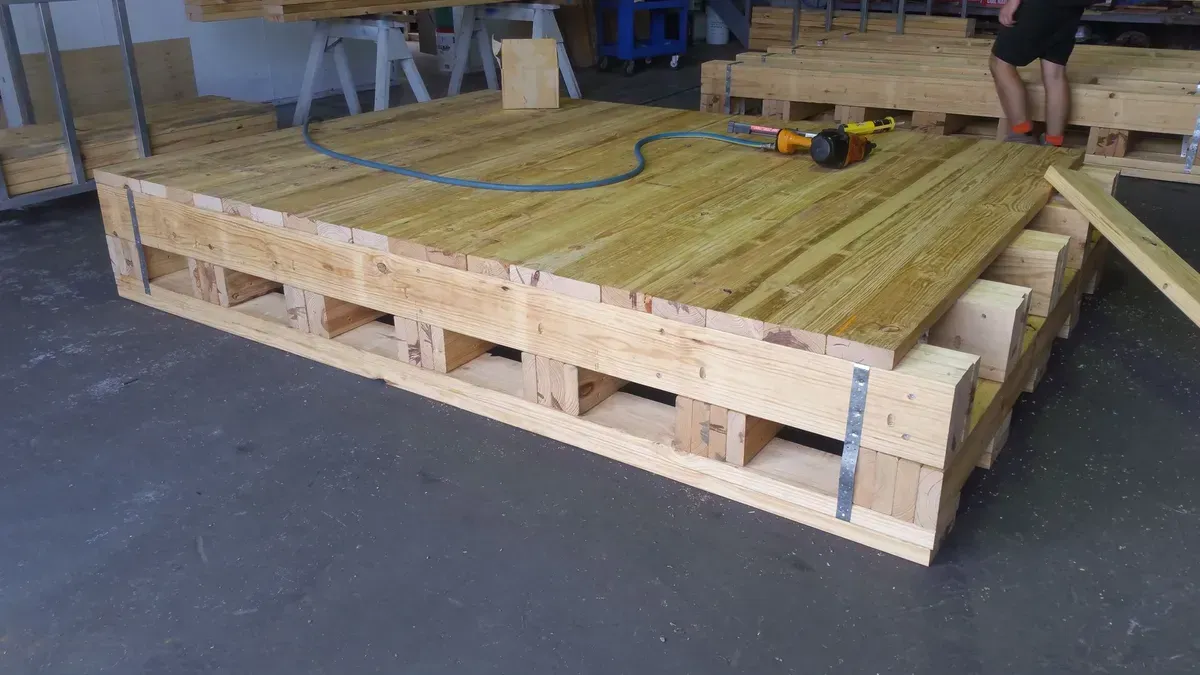
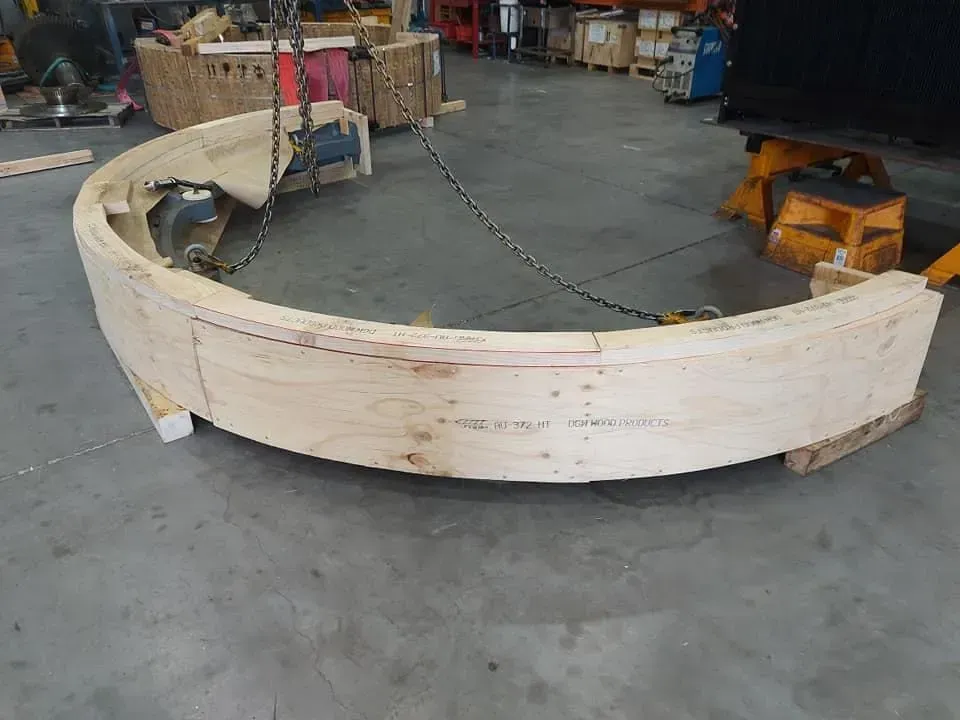
Singleton projects often involve varied site conditions and different load requirements, which highlights the importance of selecting timber that matches the job's demands. Hardwood offers natural strength and performs well in structural sections or high-stress areas where stability is crucial. Treated pine is a flexible and cost-effective option for framing, landscaping features and general construction tasks because it handles moisture and pests better than untreated timber.
Builders working in Singleton often look for timber that stays straight, installs cleanly and delivers predictable results, which helps reduce rework and downtime. Clear guidance makes it easier to match the correct grade and species to each part of the job. Our approach focuses on providing timber that works well in real trade conditions and supporting customers with practical information. A smooth ordering and pickup process also helps local crews stay on schedule.
With the right materials on hand, builders can move through planning and installation with confidence and achieve long-lasting results across their projects.
Frequently Asked Questions
Why is treated timber important for outdoor projects?
Treated timber is infused with preservatives that help protect it from insects, moisture and fungal decay. Outdoor structures are constantly exposed to weather changes, so untreated timber may deteriorate rapidly in these conditions. Treatment increases the lifespan of the timber and helps maintain its strength when used in decks, fences, pergolas or landscaping features. This added protection reduces the need for frequent repairs and supports the long term stability of outdoor builds.
How can I reduce timber movement after installation?
Timber movement can be managed by choosing materials with stable moisture content and storing them correctly before use. Allowing timber to acclimate to the site conditions for a short period may also help reduce future shifting. Using proper fastening techniques and spacing boards to allow for natural expansion and contraction are important steps during installation. Applying protective coatings can help seal the timber and slow down moisture changes. These practices help maintain a more consistent and reliable finish.
What should I consider when choosing timber for a new build?
Choosing the right timber starts with understanding how it will be used and what conditions it will face. Structural areas need higher strength ratings, while decorative or non-structural work can use lighter grades. Moisture exposure is also important because external areas require timber that can resist weather and pests. The species, grade and treatment level all influence durability and stability over time. Taking these factors into account helps ensure the timber performs well throughout the life of the project.

